
AI Lifestyle Photography Without Models or Budget: How It Works
AI lifestyle photography without models or budget constraints lets brands of any size generate professional, context-rich product images. Using guided AI tools, you describe your scene, select lighting and mood, and receive studio-quality lifestyle shots in minutes, no casting calls, location fees, or production crews required.
The data consistently shows that lifestyle product imagery, products shown in real-world contexts with human interaction, outperforms clean studio shots on engagement and conversion metrics. A coffee maker on a white background tells you what it looks like. A coffee maker on a kitchen counter with morning light and a person reaching for a mug tells you what owning it feels like.
E-commerce brands that add lifestyle images to their product pages see conversion rate increases of 20-30% compared to studio-only images. Social media posts with lifestyle imagery generate 2-3x more engagement than product-only shots. The reason is straightforward: people buy based on how they imagine a product fitting into their lives, not based on technical specifications.
But lifestyle shoots are expensive and complicated
A traditional lifestyle photoshoot involves location scouting, model booking, wardrobe styling, prop sourcing, and production coordination, before the photographer even picks up a camera. A single day of shooting runs $3,000-$10,000 depending on complexity, location, and talent.
The logistics alone are daunting. Finding a location that matches your brand aesthetic. Booking models whose appearance matches your target demographic. Coordinating schedules across 5-10 people. Managing weather for outdoor shoots. Handling permits for public locations.
For small and mid-size businesses, this complexity puts lifestyle photography out of reach. They know lifestyle images perform better but cannot justify the cost and coordination for a 50-product catalog.
Location scouting, model booking, styling, lighting
Each element of a lifestyle shoot adds cost and complexity. Location rental runs $500-$2,000 per day for residential or commercial spaces. Model fees range from $200-$1,500 per day depending on experience and usage rights. A stylist adds $300-$800. A lighting assistant adds $200-$400.
And each element introduces risk. The location might not photograph as well as it looked in the scout. The model might not match the brand's vision. The weather might change for outdoor shoots. Any of these issues means compromising on the final image or scheduling a reshoot.
This stack of costs and risks is why most small businesses settle for studio shots or stock photos. The lifestyle imagery they know would perform better is simply not accessible.
Product in context matters
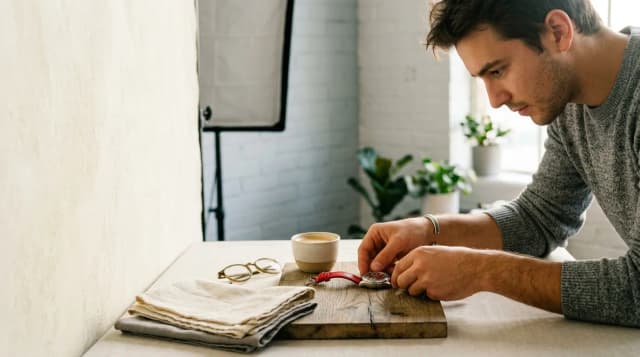
Context is what transforms a product image from informational to aspirational. A candle on a white background is a product listing. A candle on a wooden side table next to an open book with warm evening light is a lifestyle moment. The product is the same. The context determines whether the viewer imagines buying it or scrolls past.
Context includes setting, lighting, human presence, complementary objects, and seasonal atmosphere. Each element adds a layer of storytelling that helps the viewer place the product in their own life.
The brands that master lifestyle context, and reap the conversion benefits, are typically the ones with budgets for professional photography. AI levels this playing field.
Professional casting without casting directors
Model casting is one of the most time-consuming parts of lifestyle photography. Finding models who match your brand's demographic, aesthetic, and values requires reviewing portfolios, scheduling casting calls, and making subjective decisions under time pressure.
Adverra's Model Casting tool simplifies this to a few selections. Choose age range, appearance characteristics, expression, and style. The AI generates consistent representations that you can use across your entire campaign. No casting calls, no booking fees, no scheduling conflicts.
The model you create stays consistent across scenes. The same person appears in your kitchen lifestyle shot, your outdoor adventure image, and your office context photo. This consistency, which would require booking the same model for multiple shoot days, comes from a single model profile.
Diverse representation without the booking nightmare
Representing diverse demographics in your marketing imagery is important for reaching broad audiences. But achieving diversity in traditional photography means booking multiple models, which multiplies costs and scheduling complexity.
With AI model casting, creating diverse representation is as simple as generating additional model profiles. Different ages, different ethnicities, different body types, different styles. Each profile generates consistent imagery across all your marketing contexts.
This means a small business can create imagery that represents its actual customer base without the logistics and cost of booking 5-10 different models across multiple shoot days.
Seasonal variations without reshoot costs
Lifestyle imagery needs to evolve with seasons. Spring freshness, summer vibrancy, autumn warmth, winter coziness. Each season calls for different lighting, different contexts, and different mood. In traditional photography, each seasonal refresh means another shoot.
With AI generation, seasonal variations cost nothing beyond a few credits. Change the scene description from "bright kitchen with morning sunlight" to "cozy kitchen with warm evening light and winter elements." The product stays the same. The model stays the same. Only the seasonal context changes.
This means you can refresh your entire product catalog's lifestyle imagery four times a year without four rounds of booking, shooting, and editing. Your marketing stays seasonally relevant at a fraction of the traditional cost.
How this works for service businesses too
Lifestyle photography is not just for physical products. Service businesses, SaaS companies, consultancies, and agencies all benefit from lifestyle imagery that shows their services in context.
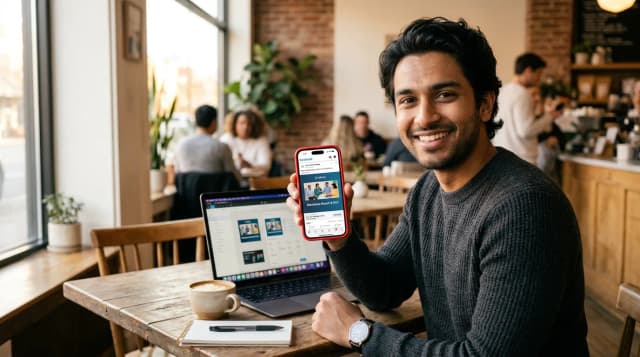
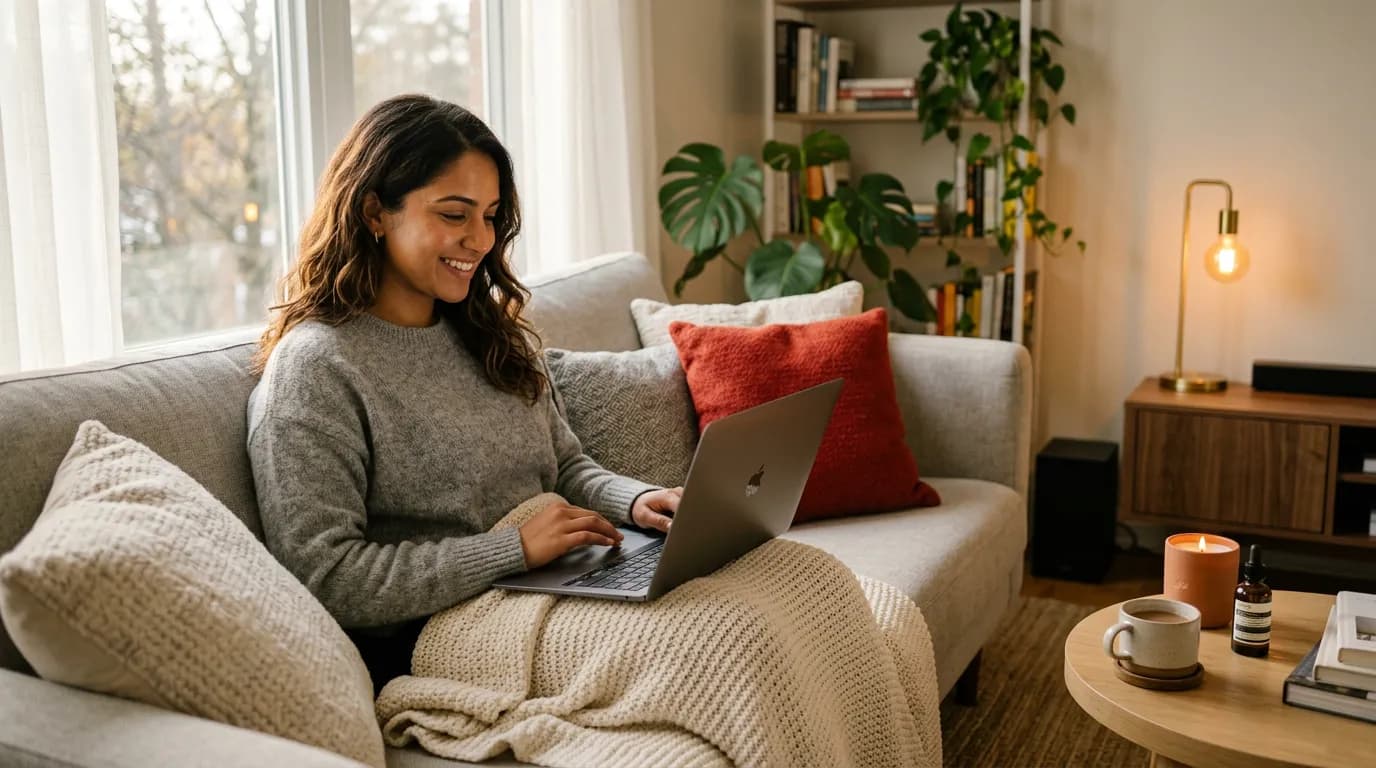
A financial planning service can generate images of diverse professionals in consultation settings. A fitness app can create workout scene imagery without hiring athletes and renting gyms. A remote work tool can produce home office lifestyle shots without scouting apartments.
The same guided tools that generate product lifestyle imagery generate service context imagery. The approach is identical: describe the scene, select the context, choose the mood, and let professional composition principles guide the generation. The result is lifestyle imagery that makes services feel tangible and relatable.
Explore Adverra's guided creation features to start generating lifestyle imagery today. For tips on creating consistent virtual models for your campaigns, read our guide on AI virtual models for clothing and ad photos. And to see how AI compares to traditional tools, check out our best AI ad creative tools in 2026 comparison.